Is Uber Eats Becoming the Real Boss of Restaurants?
Uber Eats has spent years positioning itself as a logistics partner for restaurants. Pick up food, drop it off, take a commission, move on. That framing no longer holds.
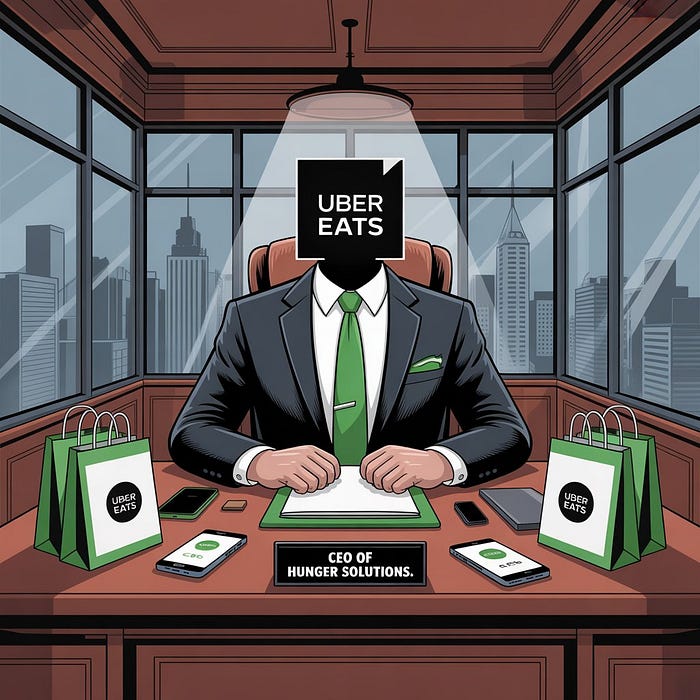
With its latest moves into grocery-integrated ordering and restaurant financing, Uber Eats is quietly shifting from a delivery marketplace into something far more powerful: an operating layer that sits between restaurants and their customers. This is not a loud pivot. There was no rebrand or keynote. But the implications are hard to ignore.
When a single platform influences how customers discover food, how orders flow, and how restaurants access capital, the relationship changes. Restaurants are no longer just selling through Uber Eats. They are increasingly operating inside it.
This is where the conversation gets uncomfortable. Convenience for consumers is obvious. Growth opportunities for restaurants are real. But as platforms expand their footprint across ordering, discovery, and finance, the balance of power begins to tilt.
Uber Eats Enters the Grocery Cart and Kroger Lets It In

Uber Eats offering restaurant ordering directly to Kroger shoppers is not a small feature update. It is a strategic insertion into one of the most habitual consumer behaviors that exists: grocery shopping.
Grocery apps are opened weekly, sometimes multiple times a week. By allowing restaurant meals to appear alongside grocery items, Uber Eats places itself inside a moment of routine decision-making, not impulse. This changes the economics of discovery. Restaurants are no longer competing only during lunch or dinner hours. They are competing during grocery planning, when households decide how they will eat for days.
For Uber Eats, the upside is obvious. Higher order frequency, larger basket opportunities, and deeper consumer lock-in. For restaurants, the opportunity is exposure to demand they did not previously reach. But the trade-off is subtle.
When Your Delivery Platform Becomes Your Lender

Uber Eats stepping into restaurant financing changes the relationship in a way delivery alone never could. Through revenue-linked loans structured with partners like Pipe, Uber Eats is offering restaurants access to capital based on their future sales on the platform.
On the surface, this looks helpful. Restaurants get faster access to funds without traditional bank friction. Repayments are tied to performance, not fixed schedules. For operators dealing with thin margins and volatile demand, that flexibility matters.
The Platform Power Stack and the Quiet Shift in Control

What makes Uber Eats’ recent moves feel different is not any single feature, but how the pieces stack together. Ordering inside grocery apps. Discovery driven by algorithms. Delivery owned end to end. Financing tied directly to platform revenue. Individually, each layer feels defensible. Combined, they start to look like infrastructure.
This is where control subtly shifts. Restaurants may still own their brand and kitchen, but the platform increasingly owns the customer relationship, the traffic source, and now even the financial timing of growth. Decisions about visibility, promotions, and repayment cadence sit outside the restaurant’s direct control.
At the same time, many restaurants willingly opt in. The platform offers reach, liquidity, and operational simplicity in an industry where margins are thin and time is scarce. The trade-off is not obvious in the short term. It only becomes clear when a business realizes how much of its demand and cash flow is mediated by a single system.
This is not a story about exploitation. It is a story about consolidation of influence. As platforms evolve from marketplaces into operating layers, the definition of independence for restaurants starts to blur.
If Uber Eats Becomes the Default Layer, What Happens Next?

If Uber Eats succeeds in becoming the default layer where food decisions happen, the competitive landscape shifts in ways that are easy to underestimate. Restaurants would no longer compete primarily on location or brand recall. They would compete inside a feed, alongside groceries, promotions, and algorithmic recommendations they do not control.
In that world, growth becomes less about differentiation and more about platform alignment. Restaurants that understand how to work with ranking logic, bundled offers, and cross category discovery will win disproportionate visibility. Those that rely on loyal foot traffic or standalone branding may find themselves gradually pushed to the margins of digital demand.
Oyelabs Perspective: Building Platforms Without Creating Dependency Traps
Oyelabs works closely with marketplace and food delivery startups that want scale without surrendering control. What Uber Eats Clone strategy highlights is not just platform strength, but the importance of architectural choices made early.
When ordering, discovery, payments, and financing sit inside one ecosystem, flexibility becomes the real differentiator. Platforms built with modular systems, data portability, and multiple demand channels give businesses room to grow without being locked into a single dependency loop.
Conclusion
Uber Eats’ expansion into grocery-integrated ordering and restaurant financing signals more than product growth. It reflects a broader shift in how platforms are positioning themselves within local commerce. What began as a delivery service is steadily becoming an operating layer that touches demand, logistics, and capital.
For restaurants, the opportunity is real. Increased visibility, smoother operations, and faster access to funding can accelerate growth in a difficult industry. But the trade-off deserves attention. When a single platform influences where orders come from and how cash flows back, independence becomes a strategic choice rather than a default.


Comments
Post a Comment